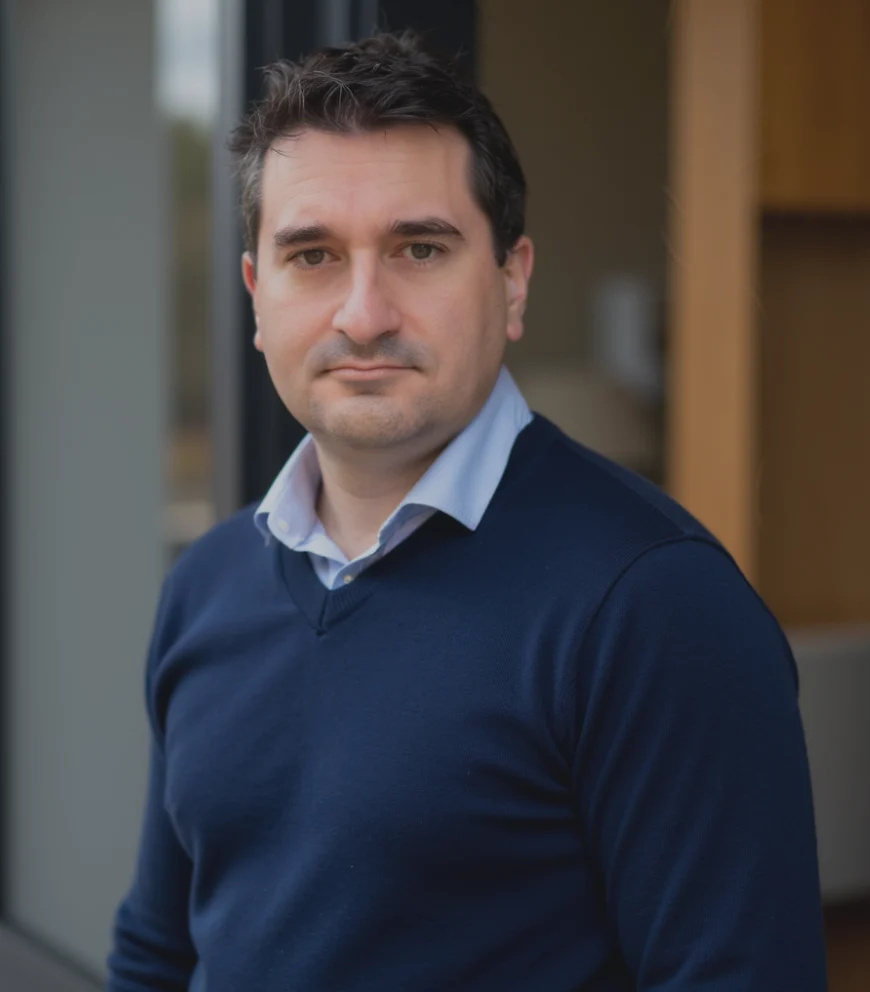
Wealth creation for physicians
Physicians earn well.
Few of us build well.
I am a practicing vascular surgeon who has spent more than a decade investing in apartment communities alongside other physicians. This site explains how I think about private real estate, and where I am putting my own capital now.
NewFree calculators for physicians: Solo 401(k), Bitcoin vs. gold, inflation and more →- 12+ yearsinvesting in multifamily
- Class B & Cestablished apartment communities
- Now openCincinnati Portfolio, via The Laager Group
The physician's problem is not income. It is what happens to it.
A high salary, taxed at the highest bracket, started a decade later than everyone else, with no time left over to manage anything. That combination is why so many doctors reach fifty with a good income and a thin balance sheet.
-
Clinical income stops when you stop
Fee-for-service earnings are tied to your hands and your hours. They do not compound, and they carry the full weight of ordinary income tax every year.
-
The late start compounds against you
Residency and fellowship delay serious saving until the mid-thirties. Wealth that would have grown for forty years gets thirty, or less.
-
Nobody has time to be a landlord
Direct rental ownership is a second job with tenants, contractors and 2 a.m. phone calls. Most physicians who try it either burn out or under-manage it.
-
Professionally managed real estate addresses all three
A well-run apartment community produces recurring income from many tenants, is backed by a physical asset, can be tax-efficient through depreciation, and is managed by people whose job it is. You provide capital and judgment, not labor.
I am not a financial adviser and this is not a recommendation for you. It is the reasoning I have used for my own money, and the reason I helped build a sponsor that takes physician investors seriously.
Where I am investing now
Offerings are sponsored and managed by The Laager Group, the multifamily investment firm I co-founded. Each investment lives on its own page with full projections, assumptions and offering documents.
Cincinnati Portfolio
Three established apartment communities in Hamilton County, Ohio, acquired as a single portfolio.
- Village SquareHamilton County, OH
- Heritage at WyomingWyoming, OH
- The WimbledonsHamilton County, OH
The business plan is operational: bring rents to market, tighten expenses and grow net operating income. It does not depend on cap-rate compression, though we think that may come. Read why below.
Why Cincinnati, and why now
Three trends we are watching: a multifamily cycle that may be turning, a Midwest economy gaining momentum, and a region with an unusually diversified economic base.
The multifamily cycle may be turning
CBRE's 2026 outlook expects cap rates to hold relatively stable through this year before incremental compression resumes in 2027, and forecasts a 20% increase in multifamily investment volume in 2026. Its five-year outlook puts supply-constrained and Midwest markets among the leaders in projected rent growth, while many high-supply Sun Belt markets are still absorbing recent construction.
Ohio is gaining economic momentum
In July, CNBC named Ohio the No. 1 state for business in 2026, the first time it has held the top position since the study began in 2007. Ohio ranked 34th in 2010 and has improved five years running. A more competitive business environment supports capital investment, employment and, ultimately, demand for housing.
Cincinnati is unusually diversified
The region is home to seven Fortune 500 headquarters, including Kroger, Procter & Gamble, Fifth Third, Cintas and Cincinnati Financial, with logistics, life sciences and consumer products as growth engines. In 2025, REDI Cincinnati reported 51 project wins, 4,234 new jobs and $819.7 million of capital investment across the region.
About Rodeen, and about the sponsor
The Laager Group is a boutique sponsor. The people who make the investment decisions stay close to the asset and to the investors for the life of the deal.
I practice vascular and interventional surgery, and I have spent more than twelve years investing in multifamily real estate and building businesses, including founding medical practices and taking one through a private-equity transaction.
At The Laager Group I sit on investment review, capital allocation and strategic oversight, with a particular focus on what physicians and other busy professionals actually need from a private real estate investment: clear terms, direct access to decision-makers, honest reporting and a sponsor with its own money in the deal.
My partner Andrew Tischer, the firm's founder and managing director, brings more than twenty years of real estate investment experience within a three-decade career in investment management and financial markets. Hugh Sales leads underwriting and asset-level oversight with fifteen years of direct real estate experience.
Realized outcomes from prior multifamily investments
Results reflect seven realized multifamily investments completed by Laager principals across separate investment entities in prior principal capacities. The IRR is investor-equity weighted; the multiple is a simple average. Equity multiples ranged from 1.30x to 2.20x. Past performance does not guarantee future results.
Keep more of what you earn
Physicians sit in the highest bracket. Real estate is one of the few places the tax code works in your favor rather than against you.
Depreciation shelters distributions
A non-cash "paper loss" each year can offset the rental income you receive, so quarterly distributions may arrive partly or fully tax-deferred. Cost segregation accelerates it.
Gains are taxed as gains, not salary
Profit at sale is generally long-term capital gain, a far lower rate than the ordinary income rate on a physician's W-2. A 1031 exchange can defer even that.
Retirement accounts can participate
Self-directed IRAs and Solo 401(k)s can hold syndication interests, and a Solo 401(k) avoids UBTI on leveraged income.
Free tools
Run the numbers for your own situation
Six interactive calculators built for physicians. No sign-up, nothing stored, nothing to sell you.
Solo 401(k) calculator
Your 2026 room when you already max out at your W-2 job.
Open tool →Bitcoin vs. S&P 500 vs. gold
Every month since 2010, in dollars, real dollars or gold.
Open tool →Inflation stress test
What inflation does to a $1M portfolio, and what it already did to the dollar.
Open tool →Clinic-hours calculator
How many hours of clinic your passive income buys back.
Open tool →Crossover calculator
The year your portfolio out-earns your savings from work.
Open tool →Dividend calculator
Income growth with contributions, dividend raises and reinvestment.
Open tool →From the blog
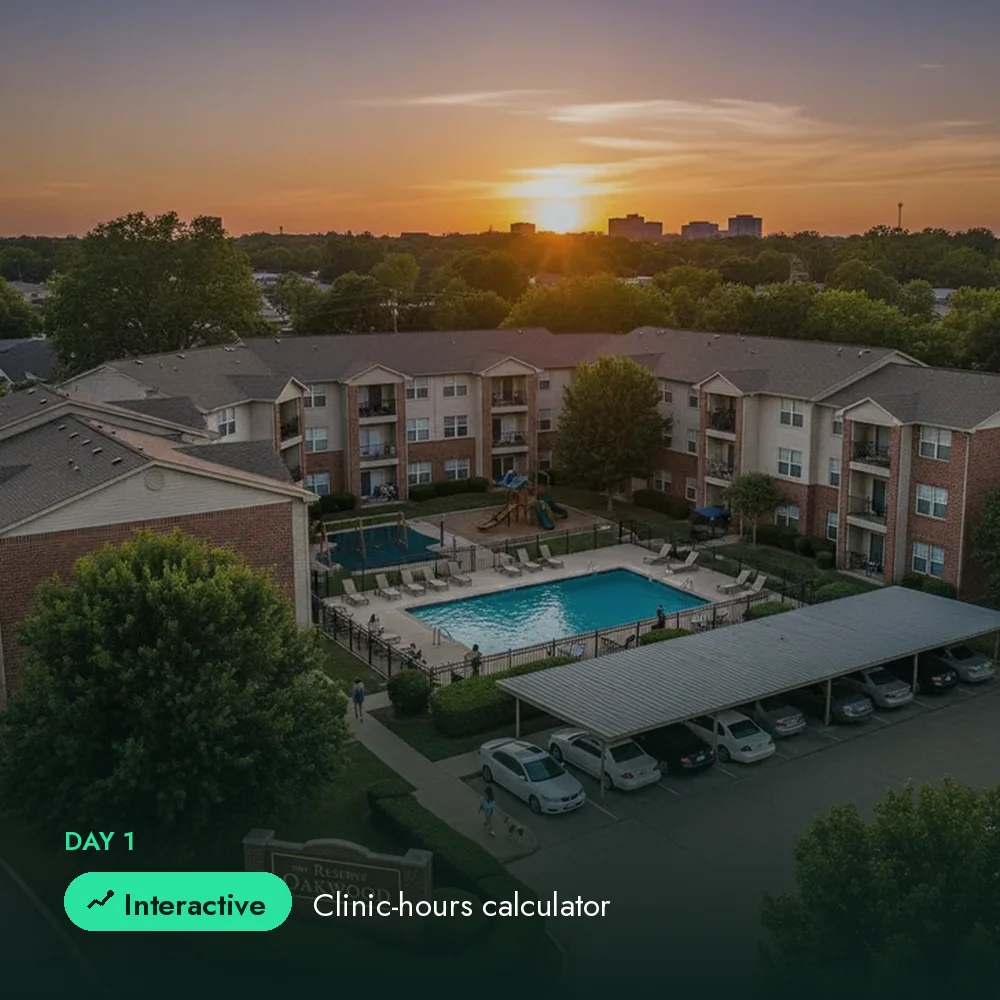 Day 1 · Interactive
Why passive income is the ultimate time-saver for physicians
 Day 2 · Interactive
Dividend stocks for your ultra low-maintenance portfolio
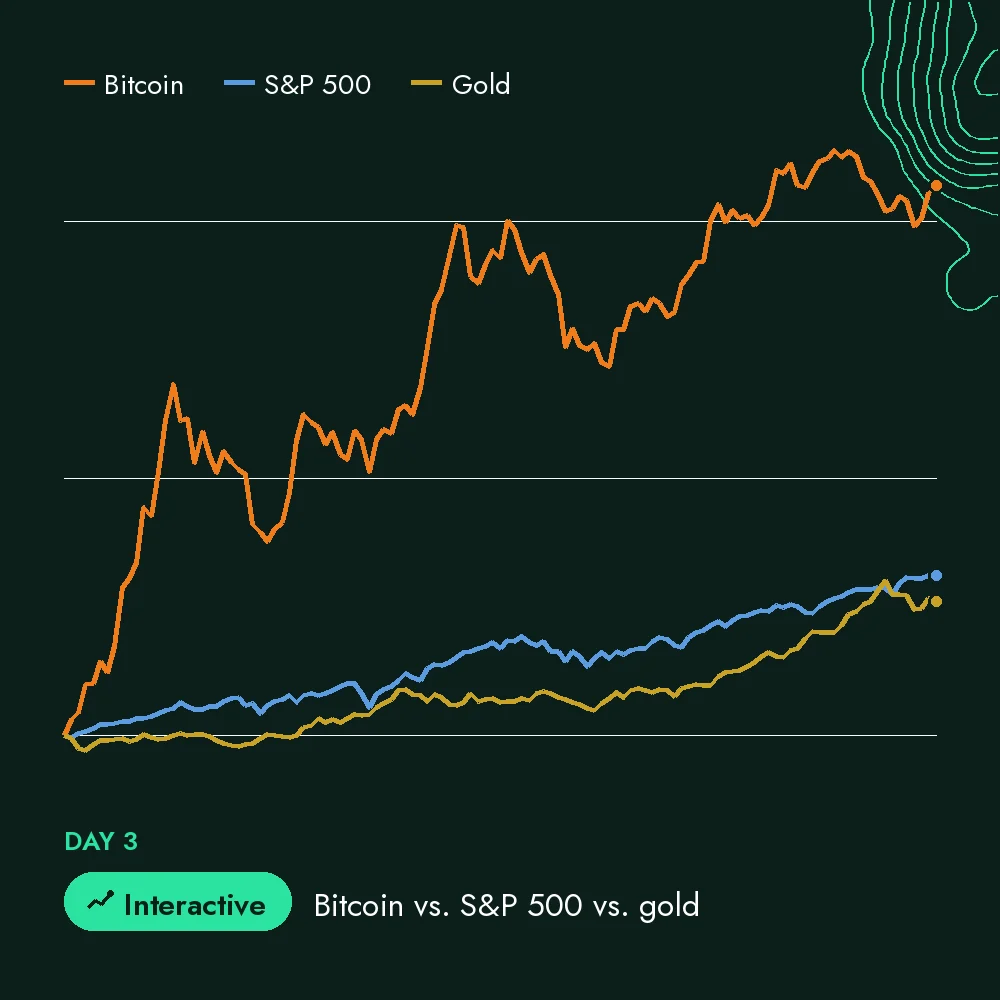 Day 3 · Interactive
The illusion of stock market gains: exploring alternative assets like Bitcoin and Class B/C multifamily real estate
 Day 4 · Interactive
The myth of "hard work pays off": rethinking effort in the pursuit of financial success
 Day 5 · Interactive
JPMorgan's warning: America is going broke. Here's why real estate and alternative investments are your shield
 Day 6 · Interactive
Side hustle smart: how physicians can supercharge retirement with a Solo 401(k)
Talk to me before you invest
Physicians should be able to ask the sponsor direct questions and get direct answers. That is how I would want to be treated, and it is how we run The Laager Group.
Review the current offering
Projections, assumptions, property details and offering documents for the Cincinnati Portfolio.
invest.laagergroup.comSchedule a conversation
Reach the Laager team directly. Principals are available to prospective investors as part of diligence.
Contact The Laager GroupExisting investors
Reports, documents, distributions and tax materials in the investor portal.
Investor login